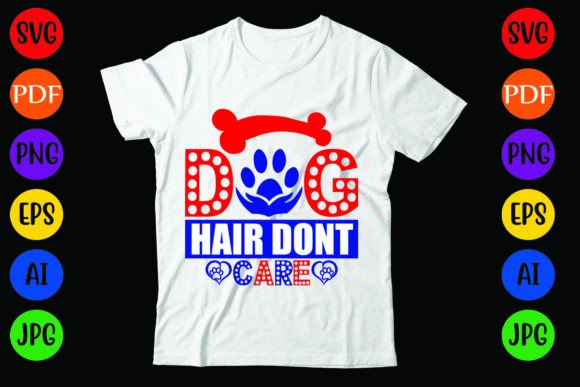
Dog Hair Dont Care
First Impression: Playful, Punchy, and Perfectly Imperfect
When I opened Dog Hair Dont Care for the first time, I didn’t see just another dog-themed graphic—I saw a mood. It’s got that breezy, tongue-in-cheek confidence that resonates with real dog lovers: the ones who vacuum daily but wouldn’t trade a single tumble of fur for a spotless floor. The layout is clean and centered, with bold, slightly uneven lettering and a simple paw or bone motif (depending on version)—not fussy, not over-rendered. That’s a win. In embroidery, simplicity translates to stitch clarity; personality stays intact without demanding 30,000 stitches or six thread changes. It feels like a design made *for* stitching—not just slapped onto a shirt and called done.
A Real Project Test: Embroidering It on a Linen-Cotton Tote Bag
Last week, I used Dog Hair Dont Care on a natural linen-cotton blend tote for a local pet boutique’s summer launch. No sublimation—just machine embroidery. I chose a medium-density satin stitch for the letters and a tight fill stitch for the icon. The result? Crisp, legible, and charmingly tactile. Customers paused at the display—not because it was flashy, but because it felt *authentic*. That’s the quiet power of this design: it doesn’t shout; it winks. It works especially well on structured, medium-weight fabrics where stitch definition holds up, like tote bags, aprons, tea towels, and unisex sweatshirts. On baby onesies or lightweight tees? Proceed with care—more on that below.
Where It Shines (and Where It Needs Guardrails)
Dog Hair Dont Care thrives in contexts where charm and clarity matter more than fine detail:
- Custom apparel—especially crewnecks, relaxed-fit tees, and denim jackets—where its confident tone matches casual, lifestyle branding.
- Embroidered patches—its balanced proportions and moderate height-to-width ratio make it ideal for iron-on or sew-on versions.
- Holiday or gift embroidery—think dog-themed Christmas stockings, “Dog Mom” pillow covers, or personalized vet clinic thank-you gifts.
- Small shop product lines—it scales cleanly from 3-inch hoop sizes (great for caps or pockets) up to 6-inch placements (ideal for tote fronts or sweatshirt backs).
But here’s what I watched closely—and what you should too:
- Thin or stretchy fabric? Stabilizer is non-negotiable. I used cutaway + tear-away combo on a lightweight jersey tee—and even then, I reduced stitch density by 12% in the software to avoid puckering.
- Dark fabric backgrounds? The design’s contrast relies heavily on thread color choice. Test black thread on navy twill, or cream on charcoal—don’t assume the PNG preview tells the full story.
- Curved surfaces (like caps)? Keep the width under 4 inches. Letter spacing stays readable; tighter curves won’t distort the phrase’s rhythm.
- Tiny corners or dense fills? There’s no intricate filigree here—but if your version includes a small paw print inside the “O,” inspect it at 200% zoom in your embroidery software. Tiny details can vanish or bleed on low-stitch-count settings.
What It Does for Your Craft Business—Beyond the Stitch
As an Etsy seller and small-batch embroiderer, I judge designs not just by how they stitch—but by how they *sell*. Dog Hair Dont Care builds trust fast. It signals that you understand your customer’s voice—their humor, their pride, their lived-in love of dogs. That matters when pricing handmade products. A $38 embroidered tote with this design feels intentional, not generic. It also photographs well in printable mockups: clean lines translate to strong thumbnails, and the phrase reads instantly—even at mobile screen size. For craft fair displays or Instagram carousels, that’s half the battle won.
It also supports brand consistency across product types. Use it on a kitchen towel, then repeat it subtly on a matching dog bandana or holiday ornament—same font weight, same attitude. That cohesion helps buyers recognize your line, even without a logo front-and-center.
Practical Designer Notes Before You Stitch
This isn’t theoretical—I’ve stitched Dog Hair Dont Care three ways now (tote, cap, baby blanket corner), and here’s what held up:
- Always test on scrap fabric first—especially if mixing fabric types (e.g., terry cloth towels or fleece blankets).
- Check thread color contrast in natural light *and* under store lighting. What reads as bold on screen may fade on heather grey.
- Review stitch density before sending to the machine. High density = crispness on stable fabrics; too high on knits = stiffness and distortion.
- Confirm hoop size compatibility—the design fits comfortably in 4×4 and 5×7 hoops, but double-check your file’s actual dimensions before auto-resizing.
- Inspect small details in both black-and-white and color mockups. Some versions include subtle texture or shadow—those often don’t translate to stitch.
- Compare light vs. dark fabric backgrounds using your embroidery software’s preview mode. Adjust underlay or pull compensation if needed.
- Use proper stabilizer—medium-weight cutaway for knits, tear-away for stable wovens, and fusible + tear-away for lightweight linens.
- Verify licensing before selling finished items or digital embroidery files. Since this is listed as a Graphics and T-Shirt Designs asset, confirm whether commercial use (including resale of embroidered goods) is permitted.
Final Thought: A Design That Works as Hard as You Do
Dog Hair Dont Care isn’t trying to be everything. It’s focused, friendly, and functionally smart—exactly what busy designers, Etsy sellers, and small shop owners need when balancing creativity with consistency. It stitches cleanly, sells intuitively, and carries warmth without leaning into cliché. Whether you’re prepping a batch of personalized gifts, building a boutique collection, or just refreshing your craft business’s embroidery library—it earns its place. Just remember: great embroidery starts with thoughtful prep. Test it. Tune it. Then let the dogs—and your customers—do the rest.